
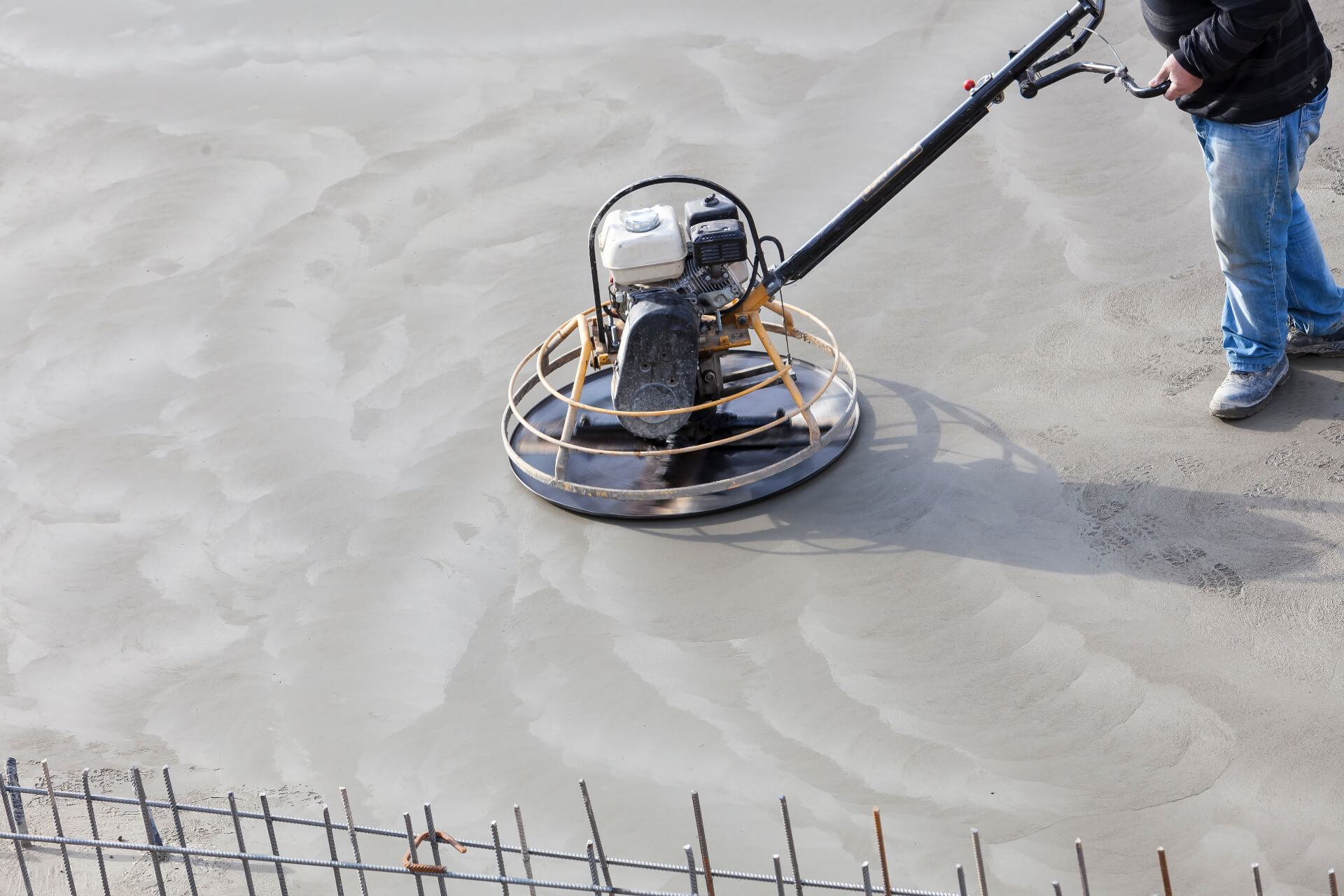
Concrete sealing and resurfacing are two ways to protect or refresh existing slabs in Broward County without always pouring a brand-new driveway, patio, or walkway. They solve different problems, and picking the right one depends on the condition of the concrete you already have.
What concrete sealing and resurfacing each do
A quality sealer helps slow water absorption and UV wear on a sound surface. Homeowners often seal driveways, pool decks, patios, and stamped concrete after the slab has cured, or when an older surface still looks solid but is starting to look dull or thirsty. Sealing is maintenance, not a structural fix. It will not glue deep cracks back together or level a settled slab.
When resurfacing is the better fit
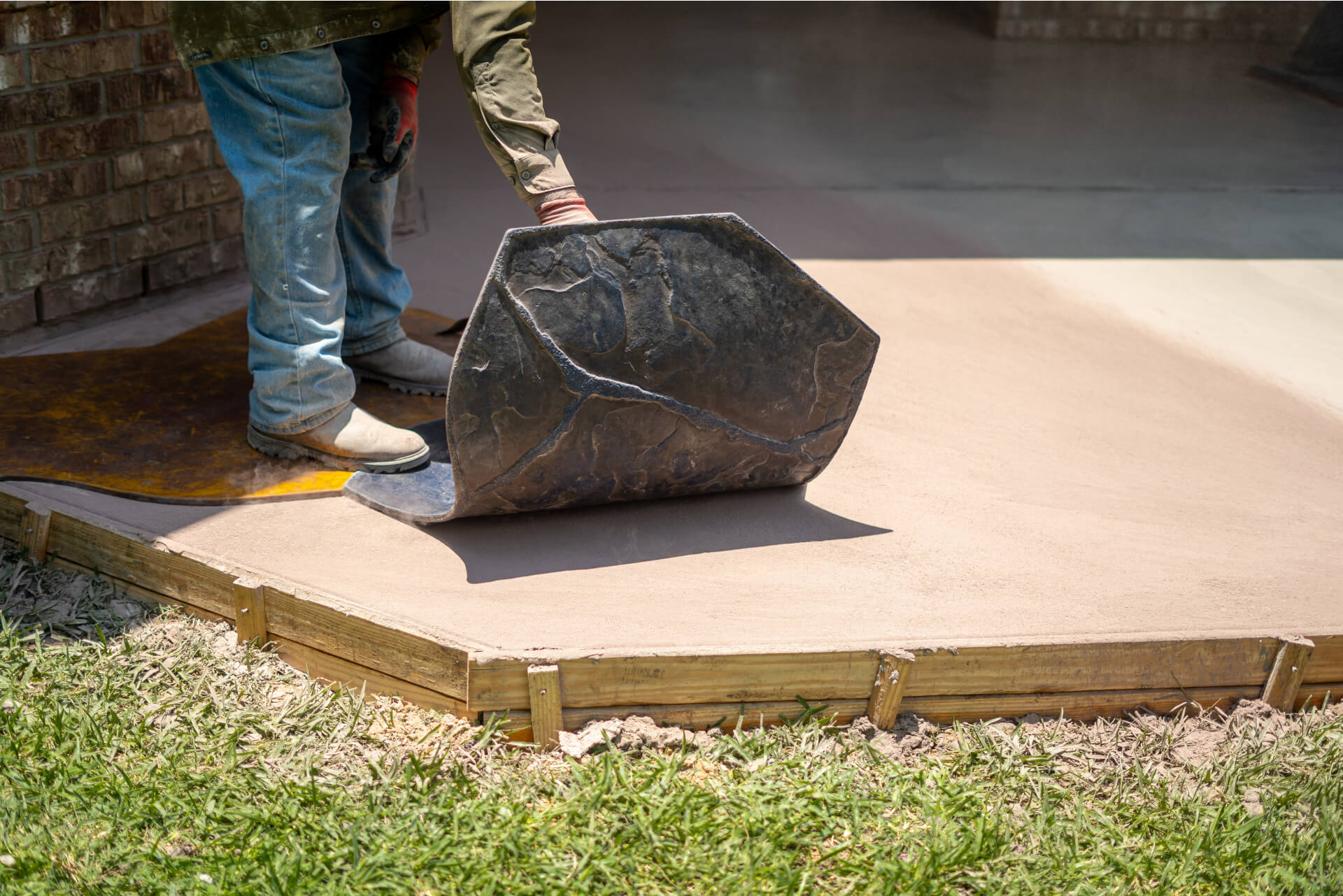
Resurfacing applies a bonded overlay to improve appearance and surface wear when the underlying concrete is still sound. It can help with mild surface damage, outdated finishes, or a tired look on patios, walkways, and some driveways. If the slab is badly cracked, moving, or has failed base support, resurfacing alone is usually not enough — repair or replacement should come first.
Local factors in Fort Lauderdale
Heat and afternoon storms mean sealed and resurfaced surfaces still need realistic care: keep drainage clear, avoid harsh chemicals that strip sealers, and plan re-sealing on a schedule that matches product guidance and sun exposure. Pool decks and shaded areas age differently than open driveways.
Prep work matters for sealing and resurfacing
Whether you seal or resurface, the result depends on the preparation. The slab should be cleaned of dirt, oil, algae, and mildew, which are common on shaded Florida patios and walkways. Loose or flaking material needs to be removed, small cracks and chips should be patched, and the surface has to be fully dry before a sealer or overlay goes down.
Skipping prep is the most common reason coatings peel, bubble, or wear unevenly. Moisture in the slab and temperature at the time of application also affect how well products bond, so timing around the rainy season is worth planning.
Signs your slab may need attention
Look for dull or chalky patches, water that soaks in instead of beading, light surface scaling, stains that keep returning, and worn areas where cars or foot traffic are heaviest. These are often good candidates for concrete sealing and resurfacing.
Deep cracks, sunken sections, and edges that crumble point to a structural problem that should be assessed before any coating is applied.
Walking the property after a heavy rain is a simple way to spot low areas where water collects. A professional can then recommend sealing, resurfacing, or repair based on what the concrete actually needs rather than a one-size-fits-all answer.
Common questions about sealing and resurfacing
Can I seal concrete that is already cracked? Sealing can slow water getting into hairline cracks, but it does not repair them. Wider cracks should be addressed first, as covered on our concrete repair page.
How often should concrete be re-sealed? It depends on the product, how much sun and foot or vehicle traffic the surface sees, and how it is maintained. Follow the manufacturer guidance for your sealer and inspect the surface each year.
Does resurfacing work on a driveway or pool deck? Often yes, if the slab underneath is stable. Our team can look at your driveway or pool deck and tell you honestly whether sealing, resurfacing, or repair is the better fit. General guidance on concrete care is also available from the American Concrete Institute.
Choosing the right concrete sealing and resurfacing plan
If the surface is mostly cosmetic wear, sealing or resurfacing may be enough. If you see wide cracks, trip hazards, or ongoing settlement, start with an assessment of the slab and base. Learn more about concrete sealing and concrete resurfacing on our service pages, or call 954-947-0855 / email Office@proconcreteservicesfortlauderdale.com for a straightforward estimate.